The desk drawer was still open when my friend texted that dinner was casual, which somehow made dressing harder. I remember it because the desk drawer made the feeling harder to ignore. I was done dressing for approval and wanted to dress for momentum.
At my desk, the day had already started, but my hand kept returning to the small detail near my collar. The day was already moving, so the detail had to keep up instead of asking for attention.
If I could leave the mirror alone, the day might start on time.
The outfit finally stopped feeling like a question.
There was a rhythm to it: clear the counter, answer the message, smooth the sweater, say the kind sentence before anyone asked for the true one. After the desk drawer, that rhythm almost felt mature. When my friend texted that dinner was casual, which somehow made dressing harder, I let the performance stand because it was easier than explaining the rehearsal.
The kitchen drawer held more of the truth than I wanted. Near it were the messages I did not send, the card I almost signed, and the photo where I looked like a person trying to be kind to everyone except herself. Nothing there was dramatic. That was why it was hard to dismiss.
I started calling it taste when really it was management. Because I was done dressing for approval and wanted to dress for momentum, I chose simple things and praised myself for being low-maintenance. The problem was not simplicity. The problem was using it to make every harder feeling look decorative.
Then the detail did its job by not needing attention.
I noticed it inside that scene. At my desk, the day had already started, but my hand kept returning to the small detail near my collar. The room looked exactly the way I wanted it to look, and still I stood in the middle of it with my coat on. My keys were in my hand. My shoes were still on. I had nowhere else to be, but I kept acting like I was about to arrive somewhere better.
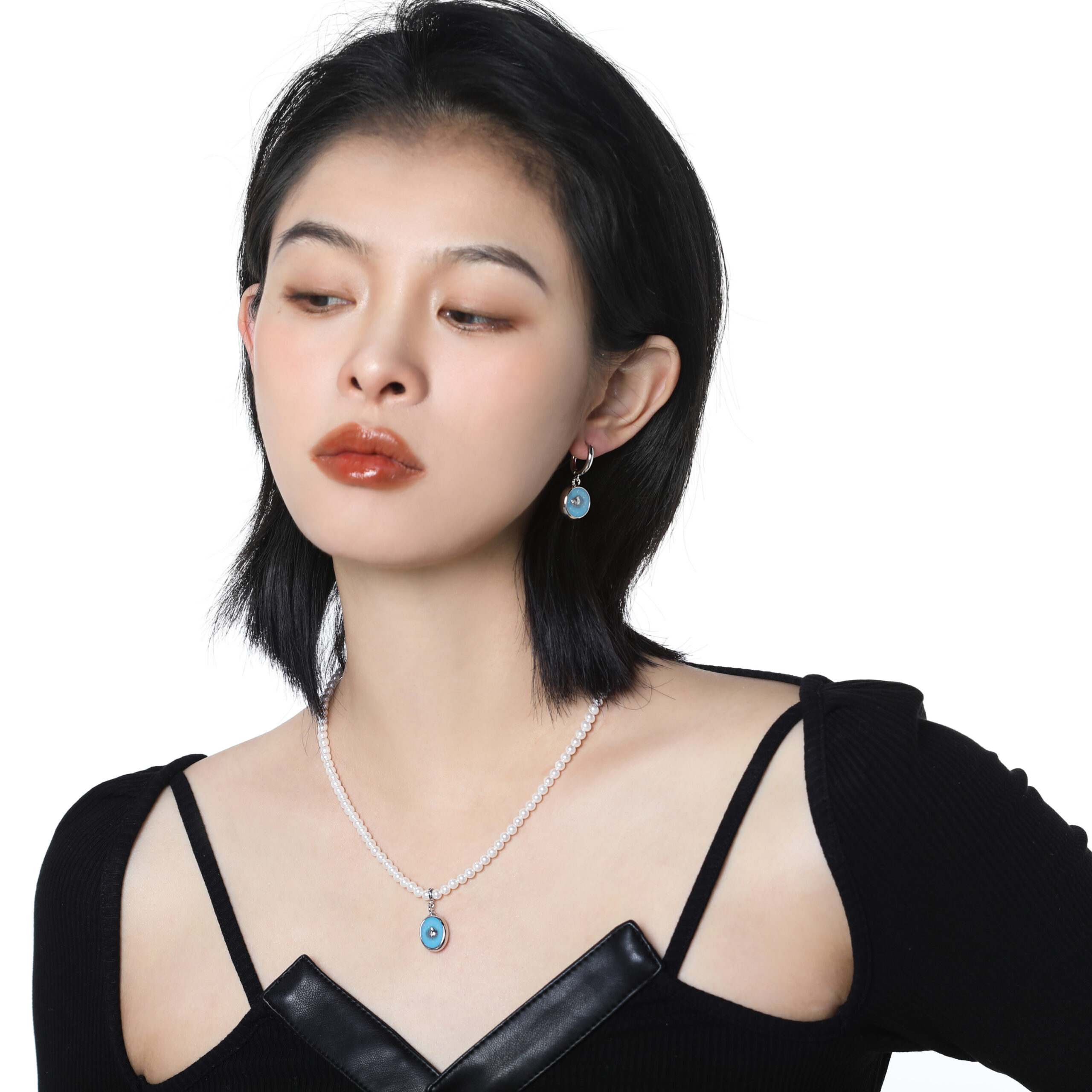
The necklace caught the light in the hallway mirror, and for once the detail felt less like decoration than proof that I had been paying attention.
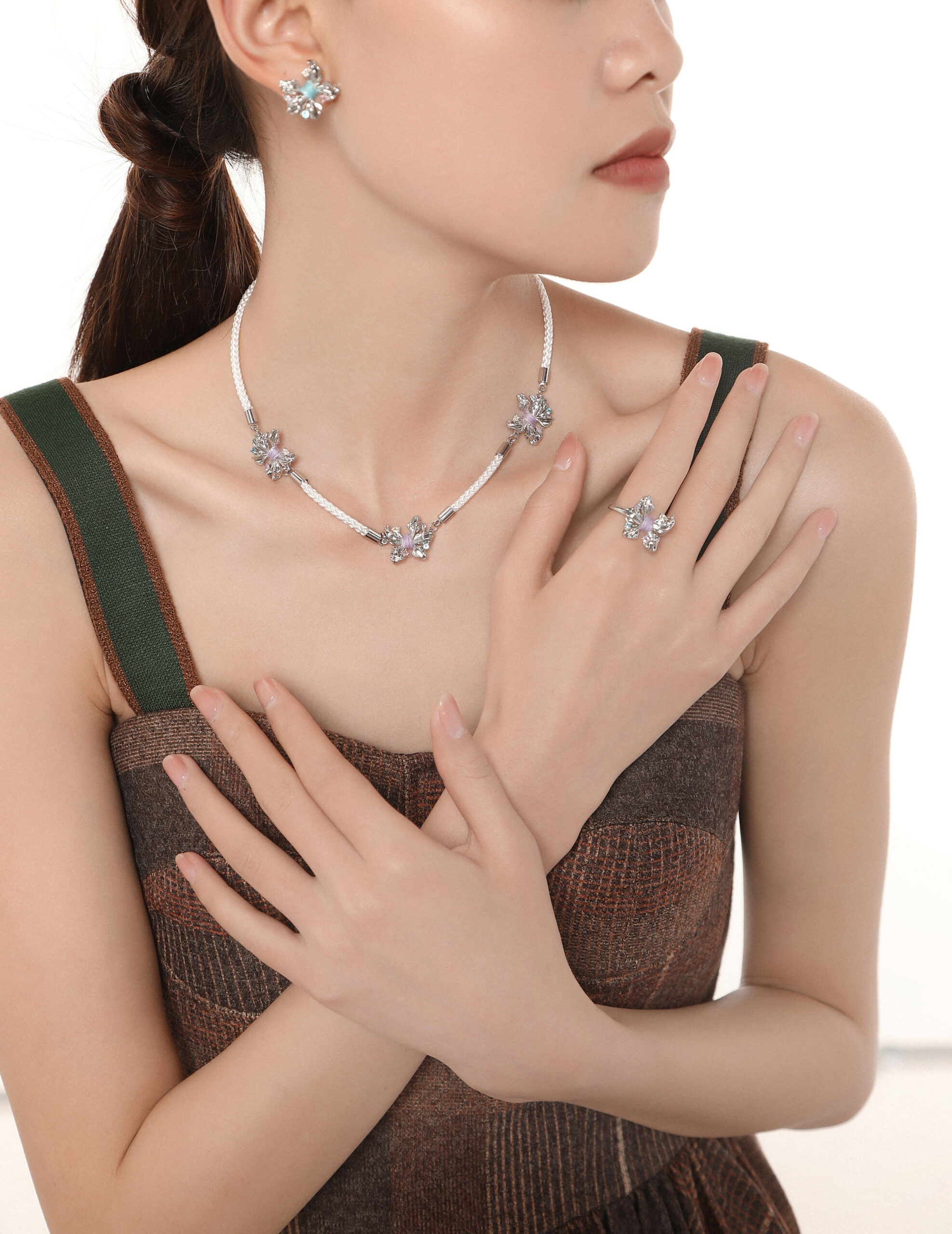
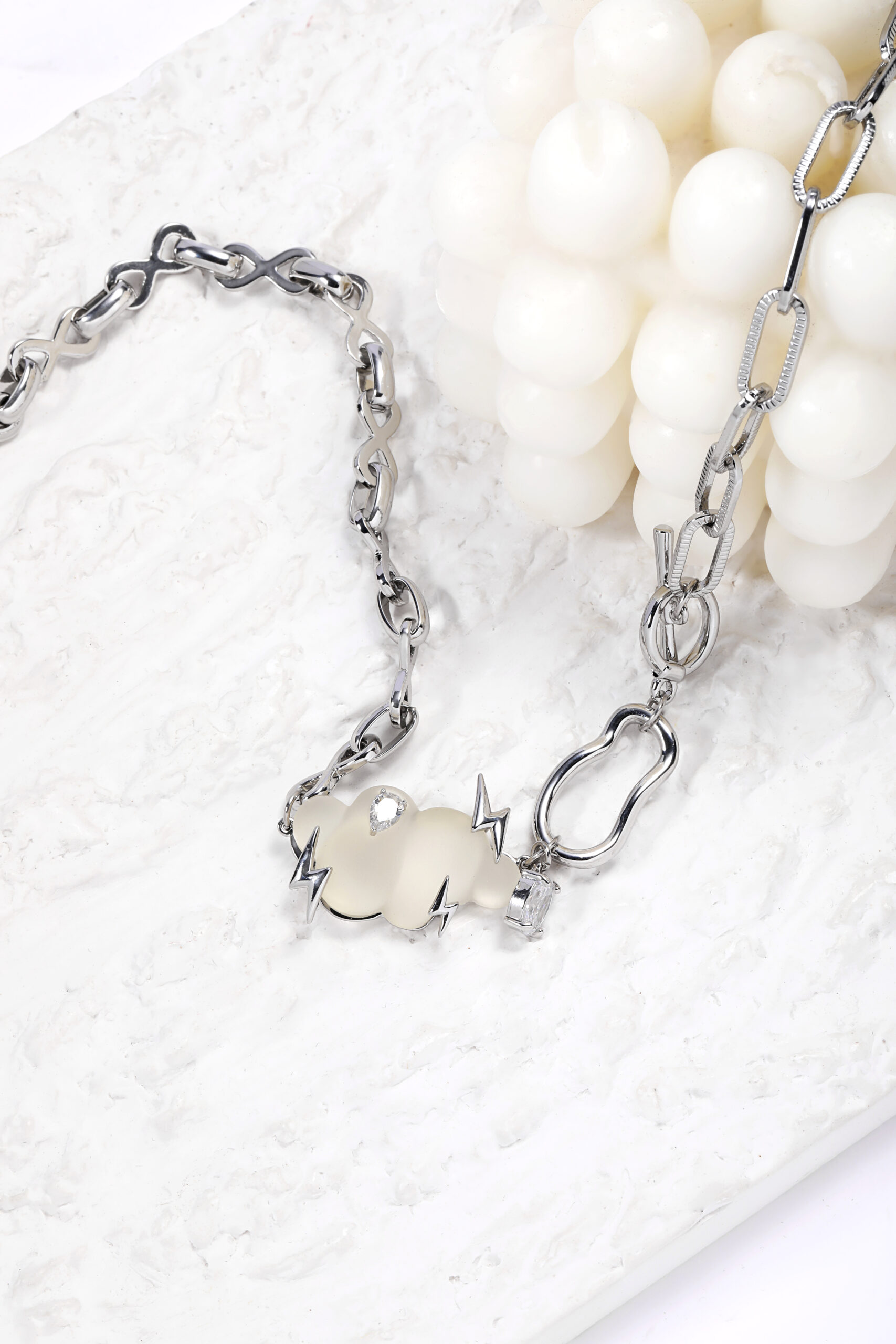
The necklace mattered only because it could become a visible detail that supports confidence without getting loud.
I set it by the window and let a simple styling choice become specific instead of enormous. That was the relief of it: not that the detail solved the feeling, but that it gave the feeling edges.
I wanted the kitchen drawer to remain background. Instead it became the place where the feeling stopped floating. I could still ignore it, but I could no longer pretend it had no address.
At the table, someone noticed the detail before I had prepared a story for it. I touched the necklace once, not to explain a simple styling choice, but to keep myself from laughing it away. The fork struck the plate. The conversation moved on. I stayed in the room.
After everyone left, the kitchen drawer looked almost foolish in the quiet. I liked that. It meant the moment had survived without becoming grand. It meant a simple styling choice could be remembered without being decorated into something false.
That is what changed: not the room, not the relationship, not the week. Just my suspicion that every pretty thing had to cover the mess. This one did not cover it. It kept it company.
Nothing in the week rearranged itself for me. The messages still needed answers, the laundry still waited, and the desk drawer still looked almost too small for the feeling around it. That was why I trusted it.
The strange relief was not happiness. It was permission to let the kitchen drawer remain ordinary and still matter, to let the small visible thing carry only what it could carry.
I folded the note once, placed it beside my keys, and turned off the kitchen light.
A quiet product note
If this small detail stayed with you
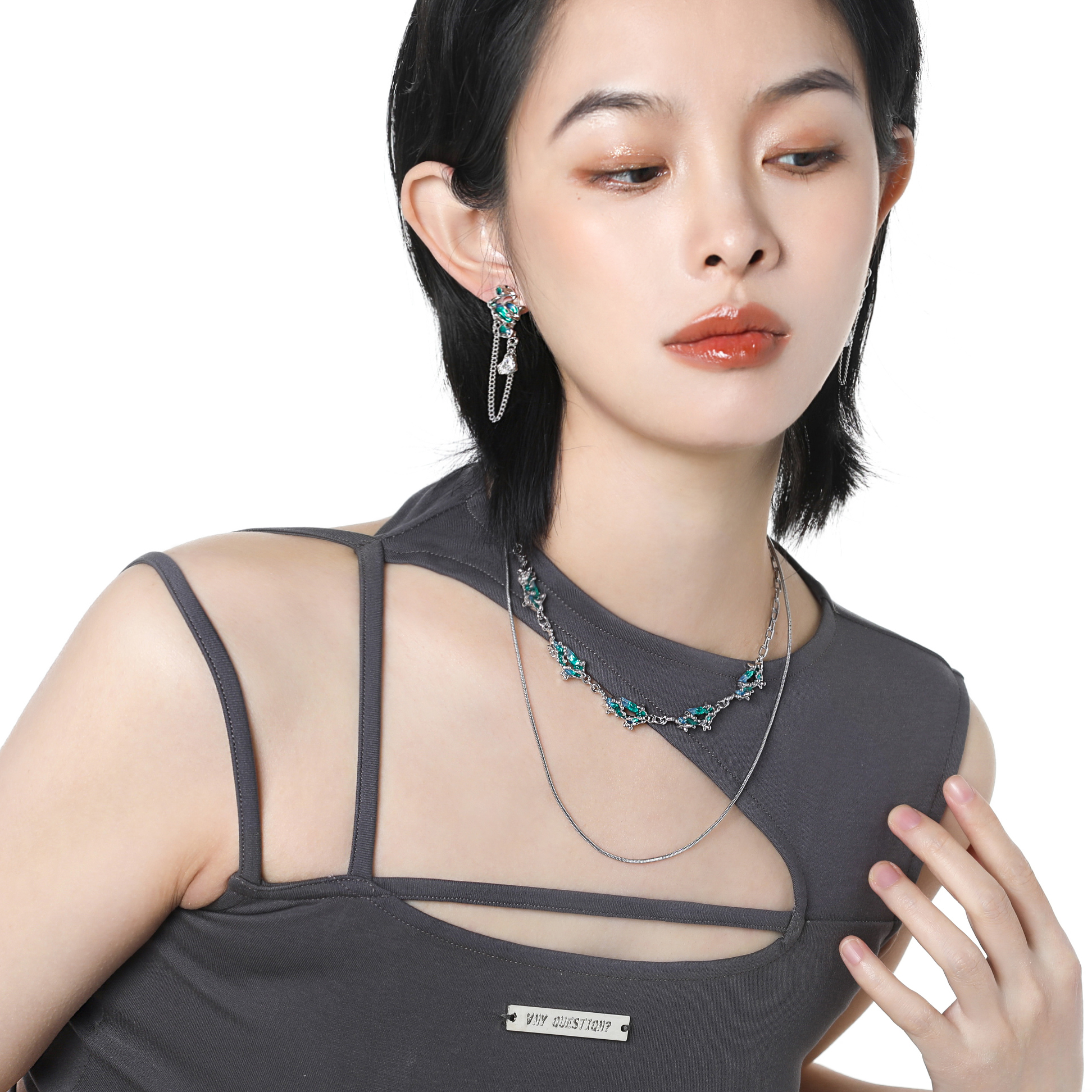
If this story reminded you of a small detail you keep choosing, you can compare the live photos, current price, shipping, and returns for Clean Pendant Necklace.
$39.99
First order code: EHTAN10
View this detail on Ethan2040FAQ
How do you choose necklaces for a simple styling choice when clean wardrobes may notice the desk drawer and every small detail?
Start with the person and the ordinary scene first. Then use the live page to compare photos, current price, shipping, and returns for the necklace.
How do necklaces help an outfit without taking it over?
The useful test is whether the necklace makes familiar clothes feel finished while still fitting the pace of a simple styling choice.
What should I check before using the product page as the next step?
Check photos, current price, shipping, returns, and first-order code EHTAN10.